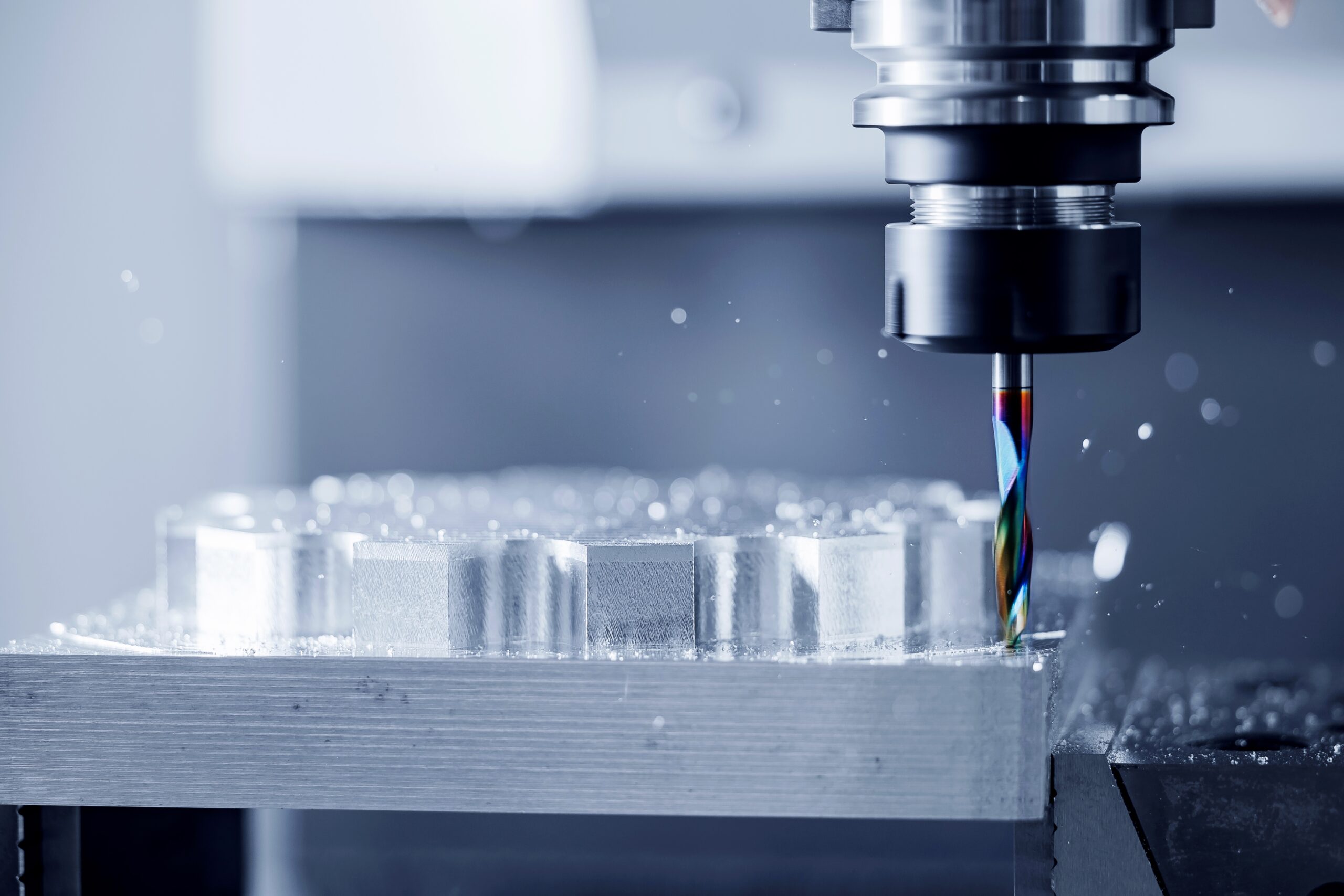
When your application demands aluminum plate that can handle serious stress while resisting corrosion, 7075-T7351 plate consistently tops the list of high-performance alloys. Knowing the specific physical and mechanical properties will help you understand if it’s the optimum alloy for your application.
Below, we compare 7075 aluminum to the common alternative 6061 aluminum. As you’ll see, it’s often a case of higher performance versus lower cost.
We also compare T7351 temper against T651 temper. In that case, the question essentially comes down to superior corrosion resistance versus higher strength.
As a leading supplier of all these materials at National Aluminum & Alloy, we work with engineers, designers, and procurement teams every day who need to understand not just what this material is, but why the specific temper designation matters and whether it is the right fit for their project.
7075-T7351 Physical and Mechanical Property Chart:
| Property | 7075-T7351 Specs |
| Density | 0.102 lb/in3 (2.82 g/cm3) |
| Tensile Strength (Ultimate) | 68,000 to 74,000 psi (469 to 510 MPa) |
| Tensile Strength (Yield): | 57,000 to 63,000 psi (393 to 434 MPa) |
| Elongation | 9 to 11% |
| Hardness (Brinell) | 150 to 160 HB |
| Thermal Conductivity | 130 W/m-K |
| Modulus of Elasticity | 10.4 x 10^6 psi |
Alloy 7075 vs. 6061 Comparison Chart:
| Property | 7075-T7351 | 6061-T651 |
| Ultimate Tensile Strength | ~70,000 psi | ~45,000 psi |
| Yield Strength | ~60,000 psi | ~40,000 psi |
| Corrosion Resistance | Moderate | Excellent |
| Weldability | Limited | Excellent |
| Relative Cost | Higher | Lower |
| Best For | Aerospace, tooling | General structural, fabrication |
Alloy 7075 Temper T651 vs. T7351 Comparison Chart:
| Property | 7075-T651 | 7075-T7351 |
| Ultimate Tensile Strength | ~83,000 psi | ~70,000 psi |
| Yield Strength | ~73,000 psi | ~60,000 psi |
| Stress Corrosion Resistance | Lower | Higher |
| Machining Stability | Moderate | Excellent |
| Typical Use | Structural, static loads | Aerospace, precision machining |
7075 Aluminum: Basic Properties and Alloying Elements
Alloy 7075 belongs to the 7000 series of aluminum alloys, which use zinc as the primary alloying element alongside magnesium and copper. This combination produces one of the highest-strength aluminum alloys commercially available, with mechanical properties that rival some steels at a fraction of the weight.
The nominal chemistry of 7075 includes roughly 5.1 to 6.1% zinc, 2.1 to 2.9% magnesium, and 1.2 to 2.0% copper. These elements work together to create a precipitation-hardened structure that delivers exceptional tensile strength and hardness.
7075-T7351 Material Advantages and Common Applications
The advantages of 7075-T7351 are well matched to industries where performance margins are tight. The combination of high strength, low density, and improved corrosion resistance makes it a go-to material in aerospace, defense, and precision tooling.
Common advantages include its excellent strength-to-weight ratio, superior machinability relative to its strength class, good fatigue resistance, and dimensional stability during machining operations. Procurement teams also appreciate that it is widely stocked and available in a broad range of thicknesses.
Some of the typical applications our customers manufacture for include aircraft structural components, missile and defense parts, mold tooling and die sets, high-performance automotive components, and precision-machined structural plates where tight tolerances are required.
Lower-Cost Alternative Alloys Worth Considering
Not every application needs the performance level of 7075-T7351. For less demanding structural or non-critical applications, there are cost-effective alternatives that deliver solid performance.
- 6061-T651 is the most common alternative and significantly less expensive. It offers good strength, excellent corrosion resistance, and welds well, making it a strong choice for general fabrication, structural frames, and moderate-load components.
- 6082-T651 is another option popular in European markets, offering slightly higher strength than 6061 with good machinability.
- 5083-H321 works well in marine and corrosion-heavy environments where weldability and moderate strength matter more than ultimate tensile values.
Why Engineers Choose NAA as a Supplier for 7075-T7351 Aluminum Plate
Selecting between 7075-T7351 and a lower-cost alternative comes down to your load requirements, environment, budget, and whether machinability and dimensional stability are critical factors. Our team at National Aluminum & Alloy can help you review those specs and identify the most cost-effective solution without compromising performance where it counts.