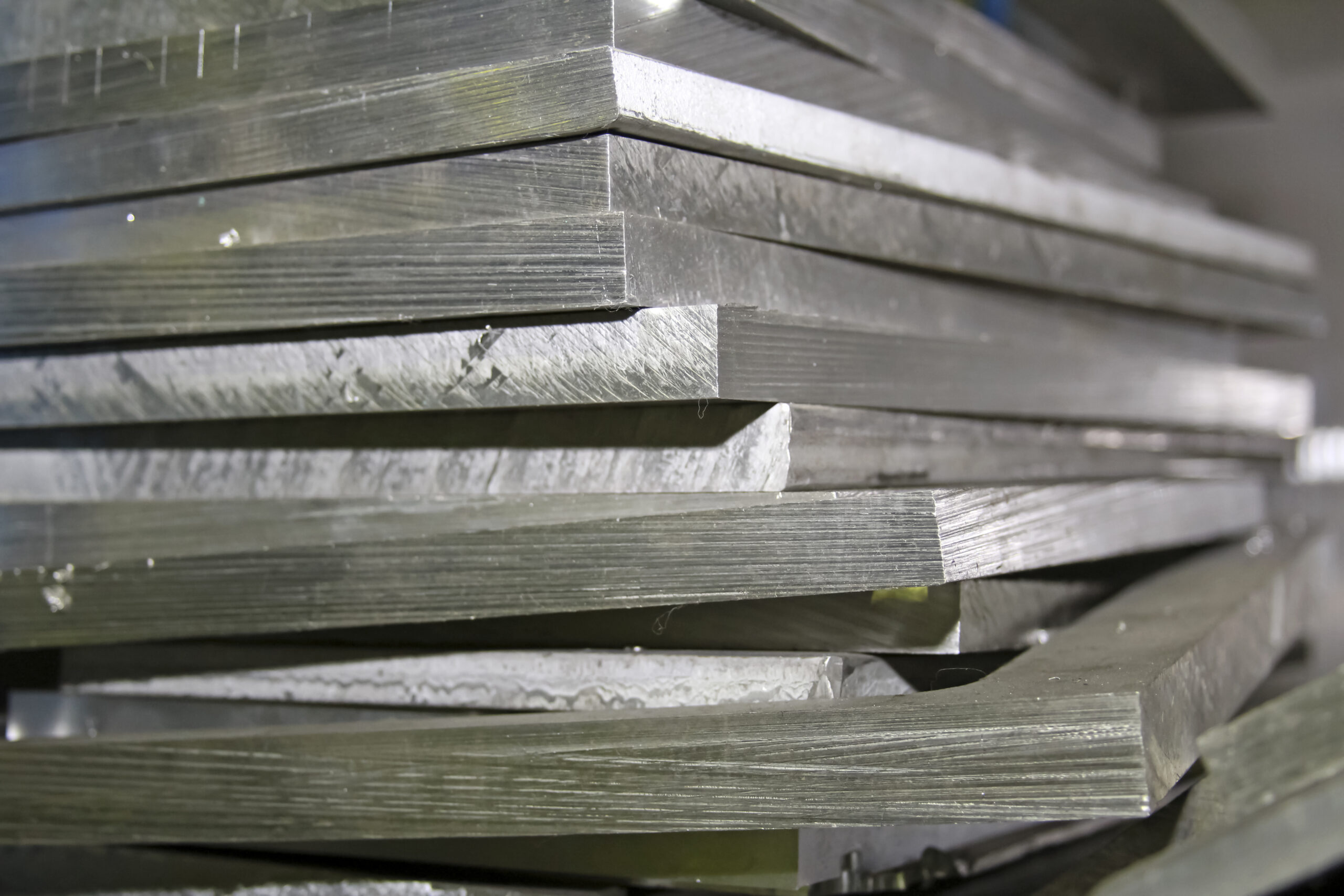
When it comes to selecting the right aluminum alloy for your manufacturing project, the choice between 6061 and 7075 can significantly impact your final product’s performance, production timeline, and bottom line.
After more than 17 years of supplying precision metal materials to manufacturers, fabricators, and machine shops across the United States, we’ve seen firsthand how this decision plays out in real-world applications. We’re here to help you break down the key differences in alloy materials so you can make the best-informed choice for your next project.
Quick Comparison: Which Alloy Is Right for Your Application?
Choose 6061 when you need:
- Cost-effective material for general structural and sheet metal applications.
- Excellent machinability facilitates faster production timelines and consistent quality.
- Better weldability for complex fabrication.
- A good combination of strength and corrosion resistance for many products—from automotive body panels to a wide range of industrial parts.
Choose 7075 when you need:
- Maximum strength-to-weight performance, such as for lightweight structural parts.
- Superior fatigue and impact resistance.
- The absolute highest performance regardless of cost.
- Materials for critical structural applications under extreme conditions, including aerospace, automotive, or critical oil & gas equipment.
The Basics – Understanding the Alloy Families
Both 6061 and 7075 are among the most widely specified aluminum alloys in manufacturing, but they belong to different families with distinct properties and intended uses.
6000 Series Alloy: An aluminum-magnesium-silicon combination that strikes a balance between strength, corrosion resistance, and workability. It’s the workhorse of the aluminum world, especially 6061 aluminum plates and sheet metal. You’ll find 6061 in everything from structural components and architectural applications to industrial parts and consumer goods.
7000 Series Alloy: Aluminum alloyed with zinc, magnesium, and copper. Optimal for high-performance applications where maximum strength-to-weight ratio is critical. It’s the premium option when you need exceptional strength-to-weight ratios, hardness, and fatigue resistance.
6061 Aluminum vs. 7075 Aluminum: Material Properties Chart:
| Property | 6061-T6 | 7075-T6 |
| Tensile Strength | ~45,000 psi (310 MPa) | ~83,000 psi (572 MPa) |
| Yield Strength | ~40,000 psi (276 MPa) | ~73,000 psi (503 MPa) |
| Fatigue Strength | 14,000 psi (96 MPa) | 23,000 psi (159 MPa) |
| Corrosion Resistance | Excellent | Average to poor |
| Weldability | Excellent | Difficult to weld |
| Machinability | Good | Excellent |
The Bottom Line in 6061 vs. 7075 Aluminum
Both 6061 and 7075 are excellent aluminum alloys, just for different reasons. 6061 delivers exceptional value, workability, and performance for the majority of industrial applications. 7075 provides unmatched strength when the application truly demands it.
So which is right for your specific products? If you’re still unsure, maybe NAA can help. When you partner with a material supplier who understands your industry, your application requirements, and the trade-offs between strength, machinability, and cost, you get expert consultation.
We’ve spent 17 years helping manufacturers across America make these decisions with confidence. By making the right alloy recommendation, maybe we can help you improve your products, or maybe we can help you save on unnecessary costs.
The Domestic Material Supplier Advantage: American Service and Reliability
Here’s something to consider that goes beyond just comparing alloy specs: where you source your material matters.
Sourcing from a reliable U.S. material distributor like National Aluminum & Alloy provides certified grades with guaranteed material properties, documented heat treatment records, and quality certifications (we’re ISO 9001:2015 registered) that overseas suppliers simply cannot match consistently. When you receive material from us, you know exactly what you’re getting.
We’ve worked with manufacturers throughout the U.S. across diverse industries—metal fabrication, die casting, machine shops, automotive, aerospace, electronics, and more. That experience means we can quickly advise whether 6061 or 7075 is your best choice, or whether an entirely different alloy might serve your unique application better.
We also offer expedited same-day shipping with custom crating, precision cutting capabilities (sawing, band sawing, shearing, and waterjet processing), and recycling services that help you manage costs and sustainability simultaneously.
One of Texas’ Leading Alloy Distributors Since 2009
Need additional guidance on your next aluminum project? Reach out to our team at National Aluminum & Alloy. We’re built Texas strong, ready to help you choose the right material and deliver it fast.
NAA is an ISO 9001:2015 certified supplier of precision aluminum and non-ferrous materials serving manufacturers and fabricators throughout the United States. Located in the Dallas region, we specialize in custom cutting, shaping, and expedited delivery of certified grade alloys.